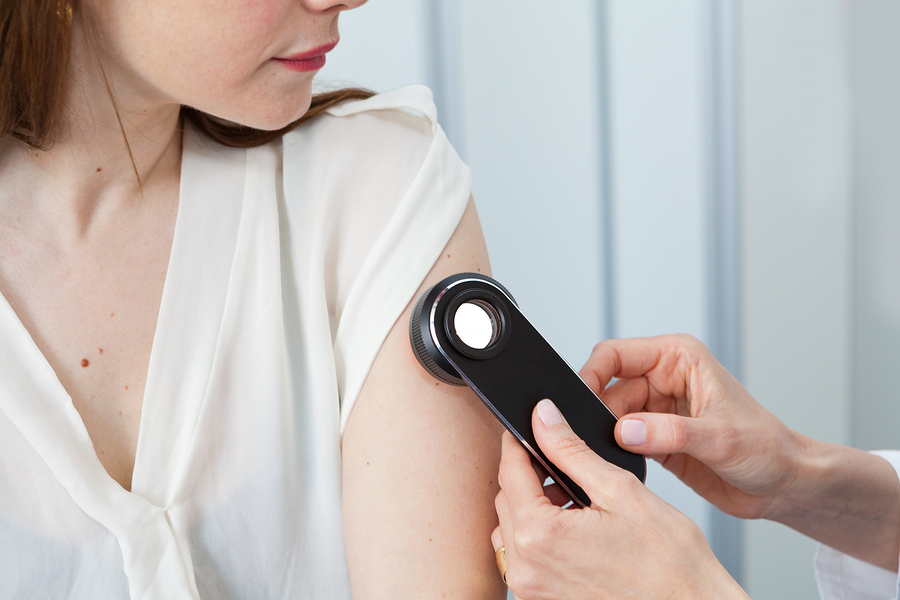
The dermatology space has proven to be worth watching in recent years.
From January 1, 2022, through November 11, 2022, there have been 29 dermatology deals announced, according to the LevinPro HC database. This compares to the 25 deals during the same timeframe in 2021. Through the first two weeks of November, there were 23 deals announced in 2019. The same period of time in 2020 saw a decline in deal volume with 14 transactions with the drop attributed to the COVID-19 pandemic.
Partners Group’s acquisition of Forefront Dermatology represents the largest purchase price within the dermatology subsector this year for $1.5 billion. OMERS Private Equity was the seller. Forefront Dermatology was first purchased by OMERS in 2016. Under OMERS’ ownership, Forefront expanded its network by three dermatology practices.
The most active buyers in the dermatology M&A space during 2022 have been Epiphany Dermatology and Integrated Dermatology Group, each with four transactions. The most active type of buyer has been private equity groups, such as Harvest Partners and Leonard Green & Partners, L.P. Private equity plays an important role in the space with 25 of 29 (86%) of the dermatology deals this year having been done by private equity firms and/or their portfolio companies. This large percentage is unusual for Physician Medical Groups, where PE’s prominence typically hovered closer to the 30% to 35% mark on acquisitions.
Integrated Dermatology acquired Derm One, PLLC, Kenneth A. Rosen, M.D. Dermatology, The Dermatology Center of Worcester and Northshore Dermatology. These acquisitions expand Integrated Dermatology’s network by 11 locations across Virginia, West Virginia, Florida, Massachusetts and Louisiana. They also bolster Integrated Dermatology’s portfolio by 11 dermatologists. As a privately owned company, Integrated Dermatology’s large presence in the space is an outlier.
In February, Leonard Green & Partners, a private equity investment firm with more than $70 billion of assets under management, purchased Epiphany Dermatology from CI Capital Partners. Since becoming one of Leonard Green’s portfolio companies, Epiphany has acquired Dermatology Associates, P.A., in Greenville, South Carolina, Tarrant Dermatology Consultants with locations in Fort Worth and Weatherford, Texas, the Montana-based Helena Dermatology and Central Colorado Dermatology in Salida, Colorado. These acquisitions have added 12 physicians to Epiphany’s network. None of the prices were disclosed.
Another PE firm active in 2022 is Advanced Dermatology and Cosmetic Surgery, a portfolio company of Harvest Partners, which purchased three clinics. The clinics are Esterson Dermatology in Pikesville, Maryland, Fort Mill Dermatology in Fort Mill, South Carolina, and Maragh Dermatology, Surgery and Vein Institute in Ashburn, Virginia.
The dominating presence of PE firms in the dermatology M&A market can be attributed to several factors: an increase in industry size due to America’s aging population, physicians reaching retirement age, the fragmented nature of the space and the reimbursement model. The dermatology market is resilient and expected to grow due to patient demand.
There are more than 54 million Americans who are 65 or older and that number is expected to reach 80 million by 2040. With the aging population, the need for dermatological expertise increases as patients’ skin concerns come to the forefront. Conditions such as psoriasis or eczema, or even skin cancer, which impacts 20% of Americans, create a strong market for dermatology practices. Florida, Virginia and the Carolinas, which have some of the highest percentages of senior citizens, are the more common locations of the acquired dermatology practices. The elderly require skin care and investors are capitalizing on that.
According to a Zippia study conducted in the fall of 2022, the average age of employed dermatologists is 48. Approximately 15% of dermatology practices in the United States were owned by private equity in 2020 and that percentage is bound to have increased since then. As more dermatologists retire, private equity groups (and other types of buyers) can swoop in and buy the doctors out of their practices, limiting the amount of fragmentation in the market.
Private equity firms are also drawn to dermatology practices due to reimbursement rates, which produce steady revenue streams and consistent cash flow. Medicare and Medicaid pay for dermatology procedures that are medically necessary. But many dermatology practices perform procedures that are not medically necessary. Procedures such as the removal of droopy eyelid tissue or the treatment of varicose veins, or even acne treatment, are not covered and reimbursement is done on a case-by-case basis. Patients pay out of pocket for these procedures and visits at a higher rate than other physician medical group subsectors. Private equity groups opt to consolidate the dermatology market because revenues are high and reliable.
With six weeks left in 2022 and sustained interest in dermatology in recent years, we anticipate that deal volume will increase as the year concludes. We’re also going to keep an eye on which private equity groups enter and exit the dermatology space as we believe there’s going to be more activity on that front.