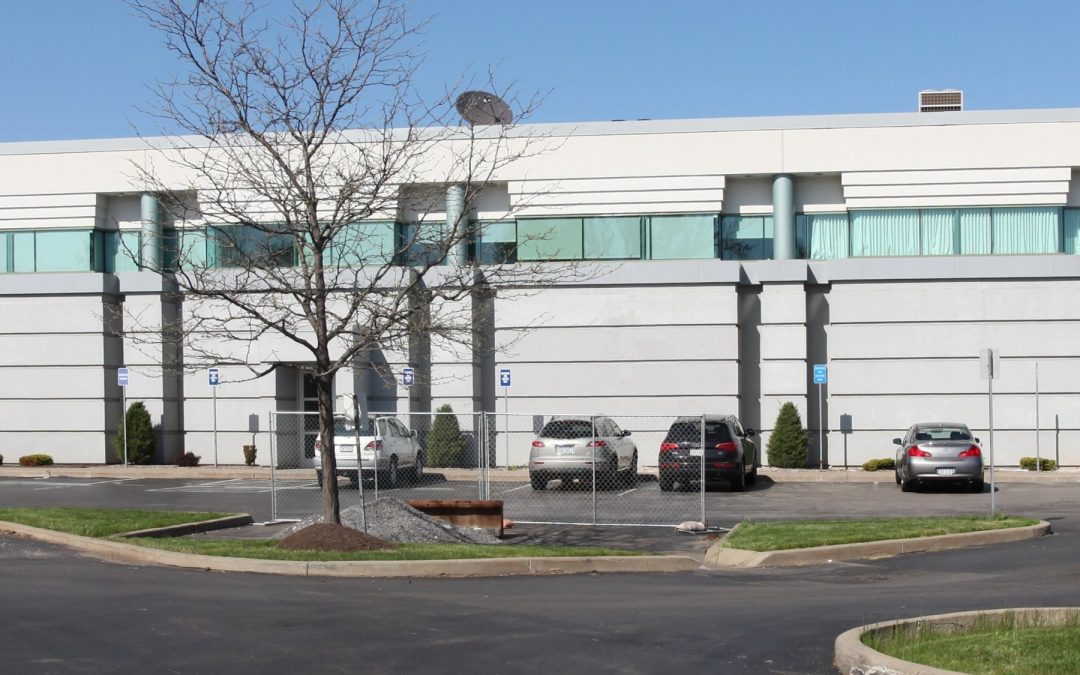
HREA | Healthcare Real Estate Advisors announced that it procured an all-cash 1031 exchange buyer for the sale of a Chapel Hill, North Carolina medical outpatient building (MOB).
We spoke with Christopher Stai, Managing Director of HREA, who was able to provide insight into the transaction. HREA, based in Raleigh, North Carolina, with offices in San Diego and Denver, is a leading advisor in the healthcare real estate sector, specializing in providing healthcare providers, investors and developers with acquisition, disposition and capitalization strategies throughout the United States.
The MOB is 100% leased and occupied by UNC Physicians Network, a healthcare network of more than 90 practice groups and more than 300 healthcare providers. Built in 2014, and expanded in 2019, the location is outfitted to provide pediatric and internal medicine care. It consists of 14,159 square feet and was sold for approximately $6.5 million, according to Stai.
The transaction, which took approximately three months to complete, finished smoothly with minimal challenges. According to Stai, this was because the buyer was motivated to place capital pursuant to their §1031 exchange requirement that has a limited timeline to complete the acquisition in order to defer long-term capital gain tax. So, there was mutual motivation for the buyer and the seller to finish the process in a timely fashion.
The property was particularly appealing to investors because of the reputation and credit quality of UNC Health, as well as its size in garnering both institutional buyers and private buyers, said Stai. For UNC Health, the location and expansion of the building accommodates UNC Health’s geographic expansion, in meeting the growing demand for healthcare services in the area. The original press release said that the population of Chapel Hill, and surrounding areas, increased by 19% since 2020.
Stai stated that more than 90 investment groups signed nondisclosure agreements to bid for this property, which is nearly triple the number of potential buyers HREA typically sees. This competitive bidding environment is indicative of the high interest investors have in clinical real estate, whether its MOBs or outpatient surgery centers, as well as the strong market demand for healthcare-focused real estate.
Ultimately, the buyer rose to the top because, “The selected buyer was a local Raleigh-based group with a §1031 exchange requirement, offering an all-cash closing, which helped streamline the process,” noted Stai.
We also spoke with Stai about the recent presidential election and its potential impact it would have on transaction volume affecting healthcare real estate for the balance of 2024 and into 2025. Stai disagrees with other experts that believe investors were waiting to see who won before moving forward with transactions. Instead, he thinks investors are keen to pursue and close deals now with the backdrop of continued interest rate cuts and a significant boost in overall investor confidence for the future and demand fundamentals for quality healthcare.
According to data captured in the LevinPro HC database, there have been 171 MOB transactions since the start of the year. This is the seventh transaction that HREA has advised on in 2024, with an additional seven MOBs that are scheduled to close before year-end. Additionally, this deal marks the ninth MOB transaction to be completed in North Carolina for the year.